

The Opportunity
After LED
Your biggest savings haven’t happened yet.
LED stopped being the savings and became the baseline.
“We already have LED.” It sounds right. It is not.
Why now
The economics have changed.
The math is different now.
Energy is inflating on both lines of the bill: usage, demand charges, transmission, and delivery. The savings available today are larger than the savings LED delivered then, and they grow as costs climb.
The savings live in efficiency.
Most of the line runs at 170 lumens per watt: the same light on less power. A fixture that needs less power costs less to run every hour it is on. That is our fourth pillar, lowest operating costs.
And in control.
Lights that know when a room is empty, when daylight is doing the work, and what each space needs. The connected building uses the energy it needs and no more.
The lighting market moves in waves
LED was just the beginning
-
GENERATION 1 LED
Bulbs and tubes
The race for the socket. Largely complete. The LED conversion was the way in, not the finish line.
-
GENERATION 2 LED
Integrated fixtures
Better light, no intelligence. Most of what is installed today stops here.
-
LATEST: GENERATION 3 LED
Smart, connected light
Adds nearly 50 percent savings on top of LED. Where the market is heading, and where we lead.
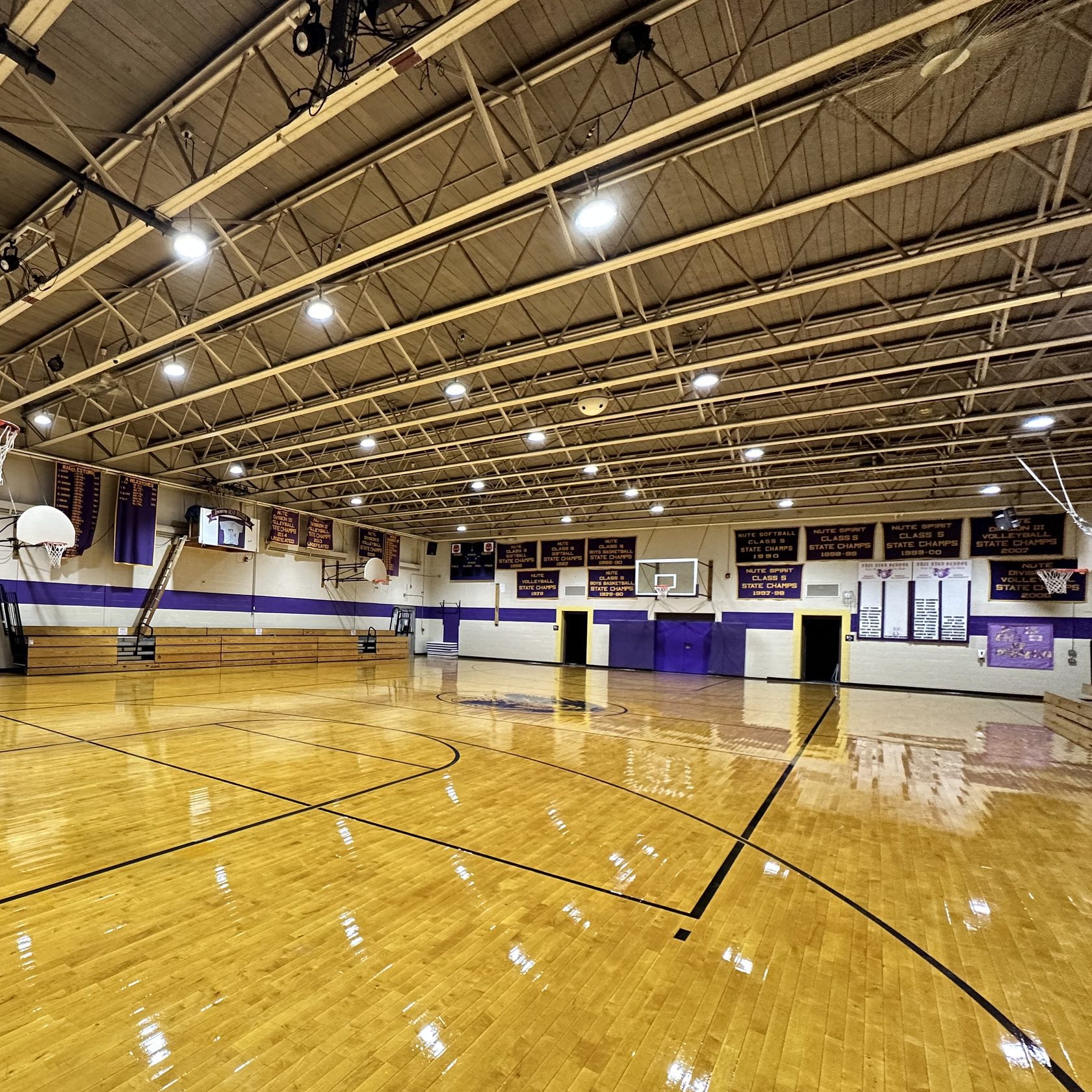
The savings live in efficiency.
And in control.
Not only how much energy a building uses, but when. Higher efficiency means the same light on less power. Control means schedules, setbacks, and loads that turn themselves off. Together they are where the next savings live, and where the grid is heading.
“All aspects of your team’s performance was great, and the people were great to work with.”
For the record
- under 1% of US commercial luminaires have networked lighting controls of any kind
- (DOE, DLC)
- nearly a third are expected to be networked by 2035
- (DOE)
- networked controls add nearly 50% savings on top of LED
- (DLC and NEEA field studies)